Scholarships for Homeschoolers: How to Apply and 10 Places to Start

When my oldest was getting ready for graduation, I remember lying awake at night worrying about college. The academics were one thing, but what really kept me up was the financial side. How were we going to pay for it? Where did I even begin looking for scholarships? As a homeschool mom, I felt like I had to wear every hat at once—parent, teacher, and now guidance counselor.
The scholarship process was overwhelming. There were so many questions, and so few clear answers for homeschool families. Where do you find them? Which ones actually allow homeschoolers to apply? How do you make sure your senior stands out in a sea of applications?
If you feel the same way, I want you to know you are not alone. The good news is that homeschoolers are eligible for the same scholarships as public and private school students, and in many cases, their unique experiences help them shine even brighter. Along the way, I learned not only how to navigate the process but also how to help open doors for other homeschool families in our community.
This post will give you the encouragement, the practical steps, and a list of scholarships to help you and your teen get started.

Table of Contents
Are Scholarships Really Open to Homeschoolers? (Yes—Here’s What You’ll Need)
Anyone headed to an accredited college (and in many cases vocational school) can apply. Most scholarships do not exclude homeschoolers, and many explicitly welcome them. Your teen will follow the same basic process as any student, with attention to deadlines and strong supporting documents.
Here is a list of items you and your teen many need to get started. Please note that every scholarship has different requirements.
- Homeschool transcripts organized by year and subject
- A course list with brief descriptions for specialized or parent taught classes (most scholarships do not require this, but it is good to have on hand, just in case)
- Proof of college acceptance when available
- SAT or ACT scores if the scholarship requires them
- Proof of residency for local or state awards
- Two or three letters of recommendation from a youth pastor, coach, mentor, co op teacher, or employer
- A résumé or activity list that includes leadership, service, work, entrepreneurship, and awards
- Financial information for needs-based scholarships

My Experience With Scholarships as a Homeschool Parent
When my oldest daughter graduated, I was shocked to find how few local scholarships she was eligible for. Most of the awards in our area were tied directly to the local public schools, which meant she could not even apply. We had to look at national scholarships instead, and while those are valuable, the competition is intense because you are applying against thousands of students across the country.
That experience opened my eyes to the need for more homeschool-friendly opportunities.
How Our Local Homeschool Group Responded
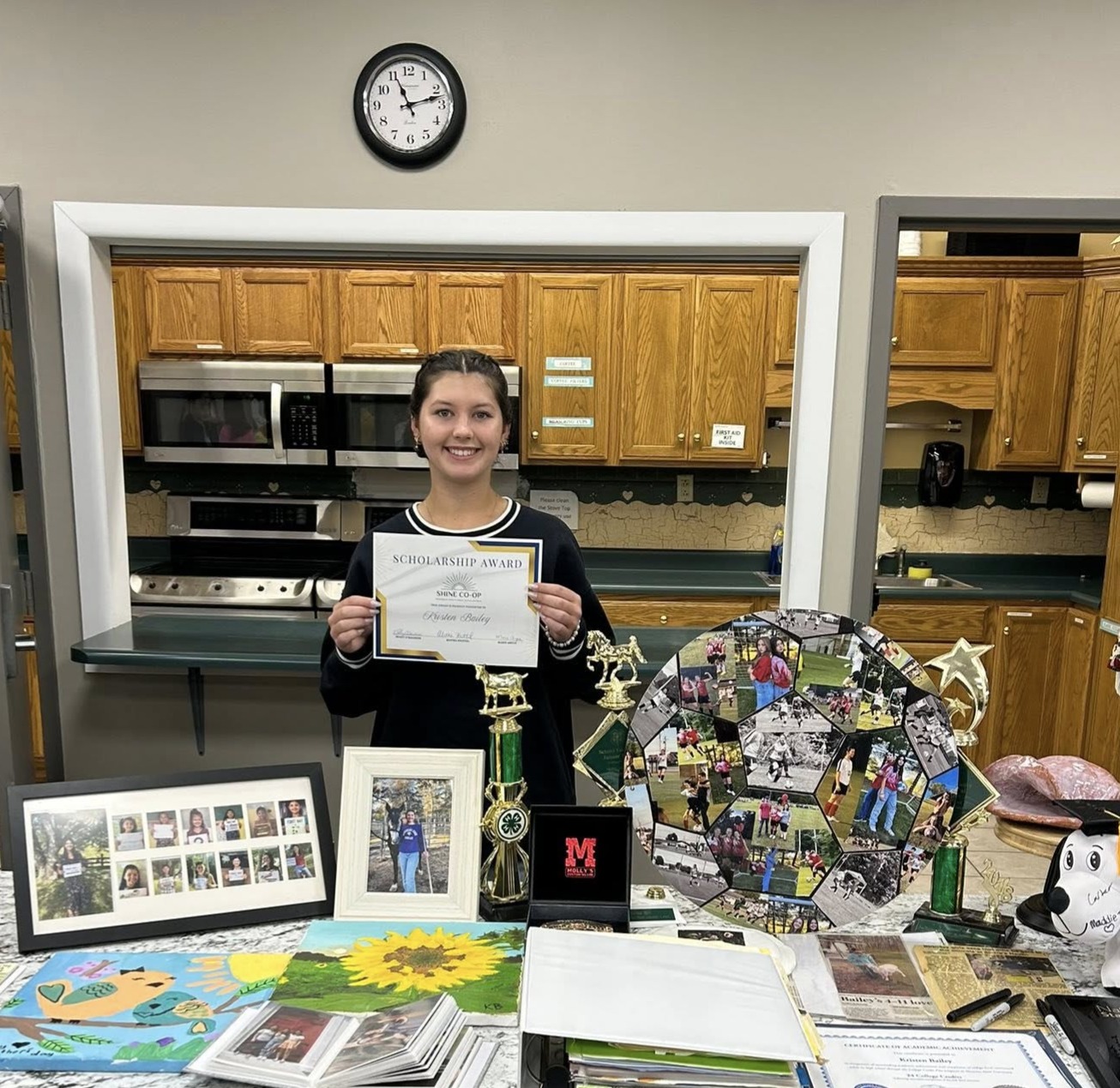
The next year, our homeschool group decided to step in and help. We started a small scholarship fund just for our own graduating seniors. I was amazed at how many people wanted to donate. What began as a simple idea quickly grew into something lasting, and we have now been able to award scholarships every year since.
Even better, our local scholarship foundation has since begun working more closely with homeschoolers to make sure their applications are reviewed and considered fairly. That has created even more opportunities for our students.
Why Homeschoolers Have an Edge—and How to Maximize It
Selection committees look for evidence of character, consistency, service, and drive. Homeschoolers often shine here because of flexible schedules that allow for deep community involvement, work hours, internships, and self-directed projects. Use that to your advantage.
- Track everything. Keep one spreadsheet for name, amount, eligibility, link, due date, materials required, and status.
- Start early. Many scholarships open junior year.
- Apply locally first. Civic clubs, churches, community foundations, and state homeschool groups have fewer applicants and better odds.
- Apply widely. Small awards, such as $500, add up quickly.
- Tell your story. Use essays to highlight independent learning, leadership, service, work, and unique homeschool projects.
Turning Your Story Into a Winning Scholarship Essay
A scholarship essay is not just about proving you are a good student. It is your chance to tell a story that shows who you are and why you are worth investing in. Encourage your teen to treat each essay as a conversation with the committee. They want to meet the real person behind the application, not just a list of grades or activities.
A simple structure that works for most prompts:
Start with a scene. Begin with a specific moment that draws the reader in. Instead of “I volunteered at the food pantry,” write about the first time your teen handed a bag of groceries to a family in need.
Show the turning point. Explain what changed your perspective or challenged you to grow. What lesson did you learn or what decision did you make in that moment?
Reflect. Connect the lesson to who you are today. Show how this experience shaped your character, your habits, or your goals for the future.
Tie it back. End by connecting the story to the scholarship’s purpose. If the scholarship values service, leadership, or academic drive, make sure the conclusion highlights that theme.
When my oldest applied for scholarships, she wrote about her struggles with mental health. She shared openly about how difficult those years were, but also about how camp played a role in strengthening her faith. That combination of honesty and hope made her essay powerful and relatable.
My middle daughter took a completely different approach. She wrote about the challenges she faced as a homeschooler who wanted to be involved in agriculture clubs at our local schools. Because of the rules in our state, she was not allowed to participate, and she often felt that limited her education in the very field she hoped to study in college. Her essay showed resilience, creativity, and determination to pursue her passion in agriculture despite those obstacles.
Both essays were unique to my daughters, but they followed the same basic pattern: tell a story, share how it shaped you, and connect it to future goals.
Ideas That Make Great Essay Topics
Homeschoolers have unique experiences that make for strong and memorable essays. Here are some ideas your teen can use as a starting point:
- Service that grew into leadership: Did they start as a volunteer and then step up to organize or train others?
- Work or business experience: Part-time jobs, babysitting, pet care, or even running a small business shows responsibility and initiative.
- Independent projects or passions: Research topics, creative performances, art portfolios, or coding projects can demonstrate dedication and skill.
- Family challenges: Overcoming illness, financial hardship, or moving frequently can highlight resilience and adaptability.
- Unique homeschooling experiences: Travel, co-op leadership, internships, or self-designed courses show independence and creativity.
- Teamwork outside of school: Sports, theater, robotics teams, or community music groups can highlight collaboration and perseverance.
- Mentorship roles: Tutoring younger siblings, teaching at co-op, or leading small groups show influence and care for others.
The key is not the activity itself but what your teen learned through it and how it prepared them for the future.

Common Pitfalls to Avoid
Even strong students can weaken their applications with avoidable mistakes. Help your teen steer clear of these:
- Summarizing without storytelling: A list of activities does not show growth. A single story told well is more powerful than a résumé in paragraph form.
- No reflection: Committees want to know what the experience meant to the student, not just what happened. Always include personal growth.
- Vague phrases: Statements like “I learned perseverance” or “It made me a better person” need specific examples to be believable.
- Recycling the same essay everywhere: It is fine to start with one strong essay, but each submission should be tailored to the specific scholarship’s mission.
- Ignoring word count: Too short can look careless, too long can get skipped. Always aim to meet the requirements.
- Forgetting proofreading: Typos and grammar mistakes distract from the message. Have a parent, mentor, or teacher review the essay before submission.
Who to Ask for Strong Recommendation Letters (When You Don’t Have Teachers)
Strong options include a dual enrollment professor, co op teacher, pastor, coach, music instructor, volunteer coordinator, or supervisor at work. Give each recommender a brag sheet that lists classes, activities, awards, and your college goals. Provide a gentle two-week runway and a clear file name to upload or email.
Some scholarships will allow you to submit pre-written recommendation letters, while others will require the recommender to submit their letter. If a scholarship requires the recommender to submit themselves, let them know to expect an email asking for their letter, and give them a clear deadline for submission.
A Step-by-Step Scholarship Timeline: Junior Year Through Graduation
By following this timeline, families can stay ahead of deadlines, reduce last-minute stress, and remain organized. The schedule also reflects the typical scholarship cycles shared by homeschool resources and community organizations.
Junior Fall
- Build or update your master transcript and activity list
- Take or schedule SAT or ACT if needed
- Create a scholarship spreadsheet and set monthly application goals
- Draft a base essay and ask one mentor to review it
Junior Spring
- Apply to local awards from civic clubs, churches, and employers
- Ask two recommenders and provide your brag sheet
- Compile a simple digital portfolio for projects or performances
Senior Summer
- Finalize a polished essay and résumé
- Identify college specific merit scholarships for target schools
- Note priority dates for honors programs and competitive awards
Senior Fall
- Submit merit scholarship forms for colleges on your list
- Apply to community foundation awards that open with the new school year
- File the FAFSA as soon as it opens to access need-based aid
Senior Winter And Spring
- Finish community foundation and organization awards
- Send updated transcripts or new test scores when allowed
- Write thank-you notes for every award received

Tips From Our Family’s Journey
Along the way, our family has learned some lessons that may help you and your teen as you prepare for scholarships:
- Choose references wisely. Both of my girls used our homeschool group leader as one of their references. These leaders had known them for years and could speak with authority about their character, growth, and leadership.
- Look at Christian colleges. Many Christian schools offer church-matching scholarships. If your church contributes a set amount, the college will match it. Churches often love supporting their students in this way.
- Start early with service. Encourage your teen to diversify volunteer experiences and begin tracking hours as soon as high school starts. Service work often leads to leadership roles and provides excellent material for essays.
10 Scholarships Every Homeschool Student Should Check Out
This list can help you get started applying for scholarships. Some are more specific, but this will give you an idea of where to look for scholarships in your state, as well as through local groups and organizations.
A few notes we want to share: Each scholarship has its own deadline, so we are not listing deadlines below. Additionally, some page links may show an error while the scholarship window is closed.
Apologia National Scholarship for Christian Service
Who it is for: U.S. homeschoolers who have used Apologia curriculum and demonstrate service in church or community
Award: $2,000
Why it matters: Recognizes students who combine academic work with service, a strength in many homeschool families.
Sonlight Curriculum Scholarship
Who it is for: Homeschool graduates who completed at least five Sonlight History, Bible, and Literature programs
Award: Up to $5,000 annually, renewable for four years
Why it matters: One of the largest renewable scholarships specifically designed for homeschool students.
Not Consumed Scholarship
Who it is for: Homeschool students in the U.S. who demonstrate a commitment to growing in faith and serving others
Award: $1,000
Why it matters: Created by a homeschool curriculum company, this award highlights students who live out their faith and learning beyond the classroom.
Craig Dickinson Memorial Scholarship
Who it is for: Homeschool seniors with at least the last two years homeschooled and strong academics
Award: $1,000
Why it matters: This scholarship is a good example of homeschool associations offering direct financial help.
Evan C. Gary Memorial Scholarship
Who it is for: Homeschoolers pursuing engineering, science, or pre-med fields at Grand Canyon University
Award: $1,000
Why it matters: It encourages homeschoolers heading into high-demand STEM careers.
Texas Homeschool Coalition Scholarships
Who it is for: Texas Students who are members of THCS
Award: Varies
Why it matters: It highlights state organizations that are backing students who choose to attend college.
HOPE Scholarship Programs
Who it is for: Homeschoolers in states with HOPE scholarships, such as Georgia and Tennessee, who meet GPA or testing requirements
Award: Up to $3,000 annually plus a book stipend
Why it matters: State merit scholarships are open to homeschoolers when transcripts are well-documented.
Manistee County Community Foundation Scholarships (MI)
Who it is for: Residents of Manistee County, Michigan, including homeschoolers
Award: Up to $15,000
Why it matters: Nearly every county has a community foundation. Local awards often have fewer applicants and higher odds of success.
Chick-fil-A Remarkable Futures Scholarship
Who it is for: Student employees of Chick-fil-A, including homeschoolers
Award: $1,000–$25,000
Why it matters: Many homeschool teens work at Chick-fil-A, where flexible schedules and a values-based environment make it an ideal workplace. In fact, you can even learn a lot about homeschooling through Chick-fil-A.
National Merit Scholarship
Who it is for: High scorers on the PSAT/NMSQT (including homeschoolers)
Award: $2,500+ (corporate and college-sponsored awards available)
Why it matters: Large and prestigious awards based on national competition; homeschoolers can compete equally.
Beyond This List: How to Find Even More Homeschool Scholarships
These ten scholarships are a great place to start, but they are not the only opportunities out there. As I’ve shared throughout this post, there are many other places where homeschool families can find funding for college.
- State homeschool organizations: Many have scholarship funds of their own or maintain lists of awards available to members.
- Local community foundations: Nearly every county has one, and these scholarships often have fewer applicants, giving your teen a better chance.
- Churches and civic clubs: Churches, Rotary Clubs, Lions Clubs, and similar groups regularly offer scholarships to graduating seniors in their communities.
- Employers: Both parent and teen workplaces often provide scholarships or tuition assistance programs. Chick-fil-A is a wonderful example of an employer committed to investing in students.
- National directories: Scholarship search engines like Fastweb, Scholly, and Scholarship360 can help students find hundreds of opportunities by interest, major, or location.
Think of these ten scholarships as your launching point, then branch out to the other areas above to widen your search.

The scholarship search can feel overwhelming at first, especially when you are wearing the hats of parent, teacher, and guidance counselor all at once. But you do not need to tackle everything in a single day. Begin with one or two scholarships, build a simple spreadsheet to track deadlines, and encourage your teen to highlight their homeschool journey in every application.
Scholarships are out there, and your student is fully qualified to pursue them. With persistence and prayer, you will find doors opening. And who knows? Your family may even inspire new opportunities for homeschoolers in your own community, just like ours did.
🎓 Free Download: 20 Scholarships Every Homeschooler Should Know About
Paying for college does not have to feel overwhelming. We’ve put together a one-page guide with 20 scholarships open to homeschool students. You will find award amounts and links all in one place, plus a tracker to keep your teen organized.


Misty Bailey has had a passion for writing since childhood. Growing up, she spent hours reading Little House on the Prairie and American Girl books while crafting her own pioneer adventures. Today, she channels her love for storytelling into encouraging and equipping homeschool moms with practical, real-life advice because homeschooling is about growth, not perfection. When she’s not writing or homeschooling, you’ll likely find her strategizing (and hopefully winning) a game of Catan with family and friends, deep in a historical fiction novel, on a date with her hubby, or enjoying time at church.