How to Teach Reading with Strategies That Really Work
Did you know that only about 80 percent of kids can learn to read through phonics alone? That means as many as one in five children may struggle if phonics is the only method used. Some children simply do not think that way, while others need more than one approach to put the pieces together.
The best way to teach kids how to read is through a multi-sensory, multi-strategy approach. Just like you would not put all your eggs in one basket, you should not rely on a single method when it comes to reading instruction.
As a homeschool mom of four and a former first-grade teacher who has taught more than 200 children to read, I can say this is one of my very favorite things to teach. I love the moment when everything clicks and a child suddenly realizes they can read. It is also one of the most frustrating things to teach when the strategies that worked well with one child simply do not work with another.
Here is the most important thing to remember. Learning to read is an individual process that takes time. Many children labeled as “behind” or “struggling reader” simply need more time. Instead of rushing to add labels, let’s step back and view reading as a holistic process that involves multiple senses and multiple strategies.

Table of Contents
Give Reading Context
Reading is not only about getting into college or taking tests. It is a life skill that opens the door to everything else we do. When children see the bigger purpose, reading becomes more meaningful and less like a chore.
Help your child understand that reading is how we get to know God through His Word. Reading the Bible for themselves allows them to see His character and promises in a personal way. Share with them that this is the most important reason to learn how to read.
Of course, reading also has everyday uses. We read recipes to cook dinner, road signs to get where we are going, and instructions to learn new skills. You can bring these connections into your homeschool naturally. Ask your child to read the ingredients for a snack, find the right road sign on a trip, or look through directions with you when putting something together.
Instead of always reading for them, invite your child to read the simple words they recognize in the world around them. This shows them that reading is not limited to schoolwork or storybooks. It is a part of real life, and it gives them a sense of ownership in their learning.
Keep Lessons Short
Young children are constantly learning. They are absorbing social cues, history, and scientific observations every single day.
Short lessons prevent frustration and leave room for curiosity. If your child is engaged and wants more, you can extend learning with practice, but avoid overwhelming them with lengthy sessions of bookwork.
Ten to fifteen minutes of focused reading instruction is usually enough for early learners. A short lesson helps them stay engaged and prevents frustration. If they are interested and ask for more, you can always extend practice through games or real-life applications, such as reading signs at the grocery store or labeling items around the house.
Short lessons also leave space for curiosity. Children learn best when they are exploring what captures their attention. If their entire day is filled with structured lessons, they miss out on the joy of interest-led learning. That joy often leads to deeper retention and genuine excitement for knowledge.
Remember, you are not trying to cover everything in one sitting. Progress comes from consistency, not from cramming. A few minutes of steady practice each day will do far more for your child than long lessons that leave you both frustrated.

Use a Multi-Sensory Approach
Children need to see, hear, and touch letters and words in order to build a strong foundation for reading. Unfortunately, many programs focus on only one sense.
A multi-sensory approach gives them several “pathways” to store and recall information, making reading more natural and less frustrating.
When you think about multi-sensory learning, remember these three senses: see it, hear it, and touch it. Some children also benefit from moving their bodies as they learn.
Here are a few examples:
- See it: Use brightly colored letter tiles, magnetic letters, or flashcards. Highlight sight words in a story so your child’s eyes are drawn to them.
- Hear it: Say the sound while your child repeats it, chant word families together, or sing simple rhymes that reinforce patterns.
- Touch it: Let your child trace letters in sand, form them with playdough, or move tiles around to build words.
- Move it: Incorporate movement by hopping to a letter card on the floor, clapping out syllables, or stepping to the side that matches the correct vowel sound.
The more ways your child can connect with letters and words, the stronger their foundation becomes. This is why hands-on activities like letter tiles, stickers, and interactive games are so important; they keep kids engaged while learning.
Use a Multi-Strategy Approach
Phonics is an excellent tool, but it is not enough on its own. A well-rounded reading plan uses a variety of strategies. Here are a few that make a difference:
Daily Read Aloud
Reading aloud provides the foundation for language and literacy. It teaches how books work, builds vocabulary, and models fluent reading. Involve your child by letting them turn the pages, point to words, or fill in rhyming words. This practice is invaluable at every stage, from toddler years through fluent reading.
Independent Reading
Set aside a box of books for your child to enjoy on their own. At first, they may retell stories from memory or focus on the pictures. Over time, they will begin to read the words themselves. Independent reading builds confidence and allows children to practice at their own pace.
Phonemic Awareness
Phonemic awareness is the ability to hear and identify sounds in words. It is the foundation that makes phonics less frustrating. Practice activities such as clapping out syllables, listening for beginning sounds, or moving to the correct vowel sound. These simple games provide a strong base for later reading success.
Sight Words
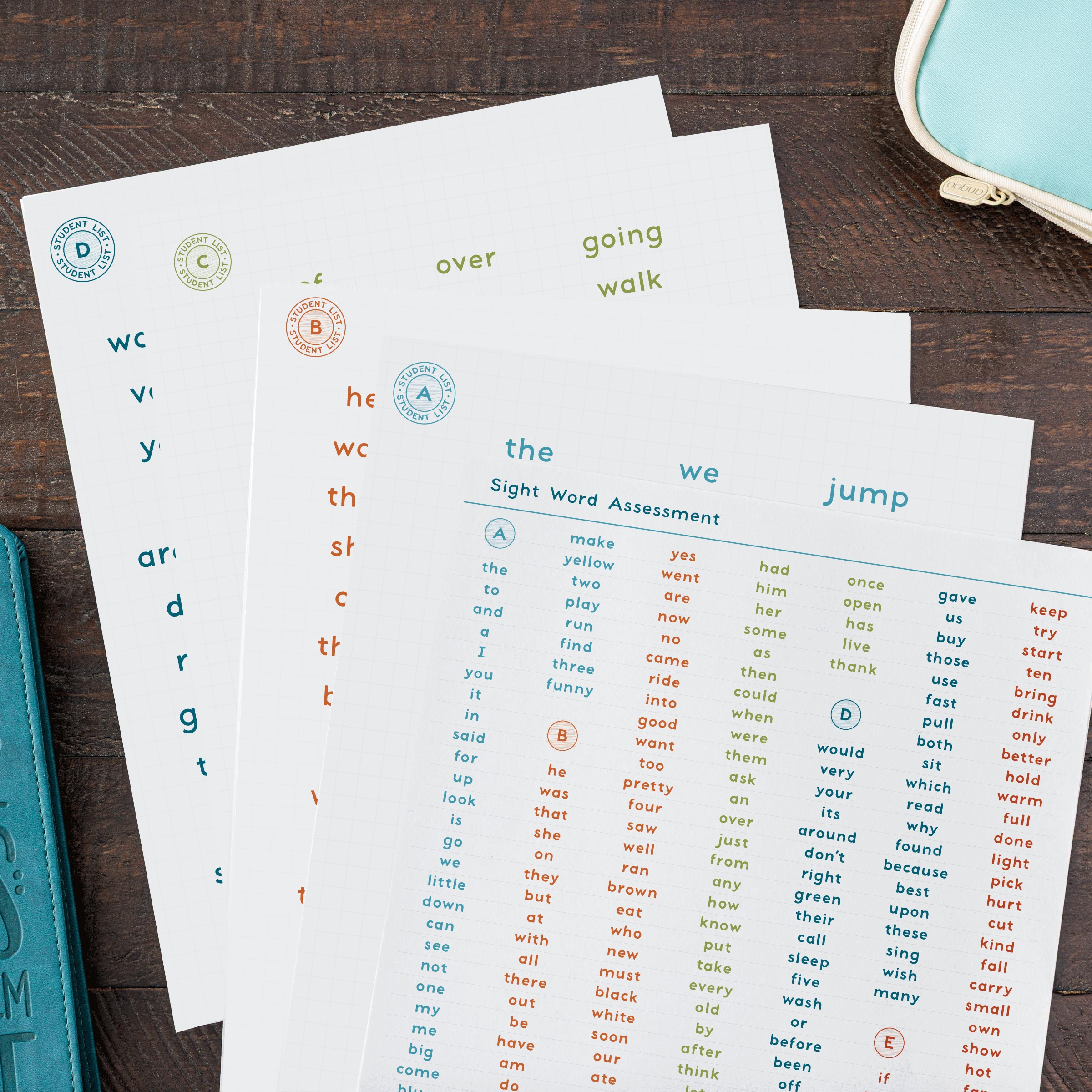
Sight words are high-frequency words children recognize instantly. Some do not follow phonics rules, while others are simply encountered often enough to be memorized. Many children rely heavily on sight words to build reading confidence.
Would you like to know which sight words your child already recognizes? Download our FREE Sight Word Assessment and find out exactly where your child is in the process.

Phonics
Phonics should still be taught, but it works best when introduced gently and systematically alongside these other strategies. Start with individual letters and gradually build simple words. Connect letters and sounds to meaningful stories, especially from the Bible, so that your child sees purpose in the process.
The Curriculum That Brings It All Together
This is the heart behind our Beginnings and Connections curriculum. It combines phonics, phonemic awareness, sight words, and daily reading into a seamless, Bible-based program.

Each lesson is interactive and age-appropriate, designed to meet your child where they are. More importantly, every lesson points children to God’s Word. They learn not just to read stories about Noah or Moses, but to understand who God is and what He is doing in the bigger picture of Scripture.
Beginnings is designed to be used first, then Connections builds on those skills. Together, they provide a gentle but thorough way to teach reading without frustration, while equipping children with the tools to engage with God’s Word.

Be Patient—Reading Is a Journey
Learning to read takes time, patience, and practice. Some children will take longer, and that is completely normal. If your child hits a wall, go back and review what they already know. Spend extra time reading together and encouraging them. Progress will come.
With a holistic, multi-sensory, multi-strategy approach, every child can become a confident reader. You do not need to put all your eggs in one basket. Instead, give your child the gift of a well-rounded approach that truly works.
Start by downloading the FREE Sight Word Assessment and see where your child is today.

Through practical tools & Bible-based resources, Kim Sorgius is dedicated to helping your family GROW in faith so you can be Not Consumed by life’s struggles. Author of popular kid’s devotional Bible studies and practical homeschooling tools, Kim has a master’s degree in education and curriculum design coupled with over 2 decades of experience working with kids and teens. Above all, her most treasured job is mother and homeschool teacher of four amazing kiddos.